
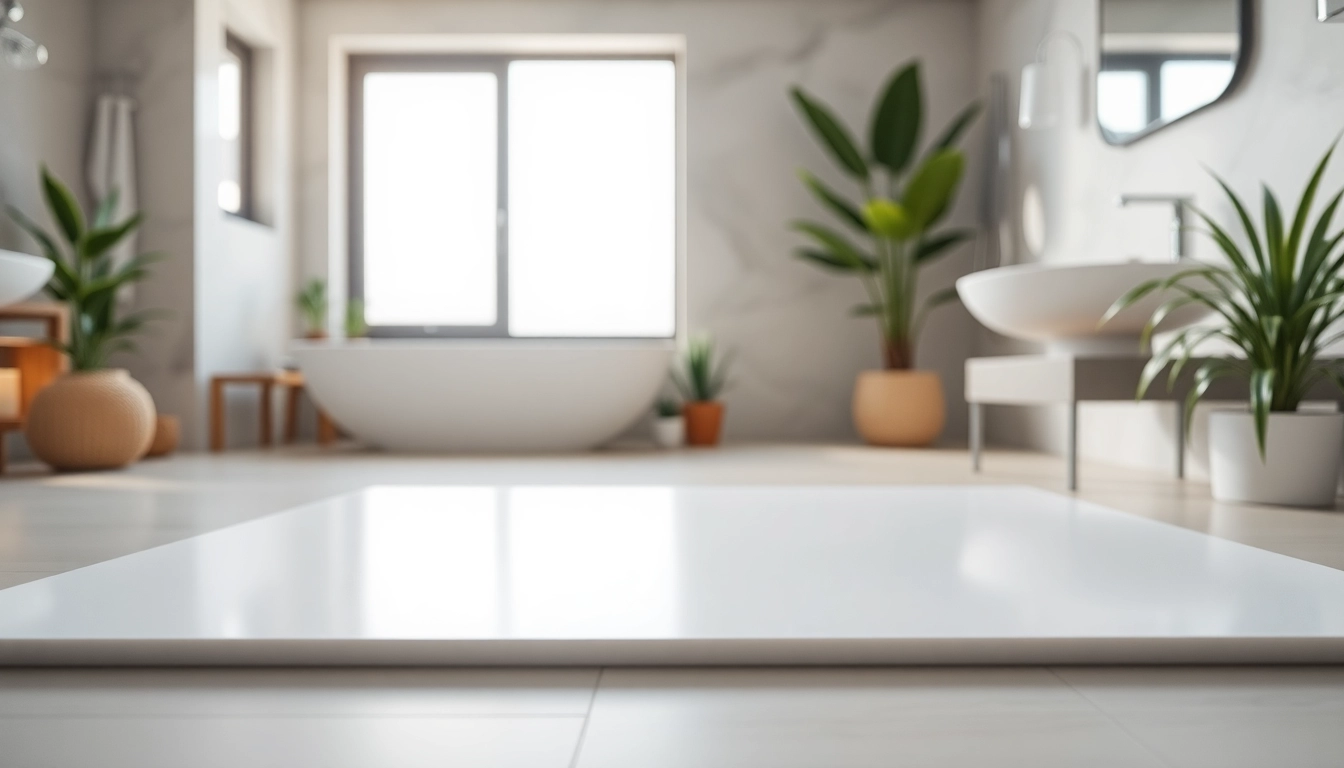
Understanding the Importance of Shower Base
What is a Shower Base?
A shower base serves as the foundational component of a shower system, providing a base for water drainage and a surface for users to stand on. Typically made of durable materials, shower bases not only ensure the functionality of the bathroom but also play a critical role in the design and aesthetic appeal of the space, forming a seamless transition between the waterproof flooring and the shower area.
Types of Shower Bases
Shower bases come in various types, each suited for different needs and preferences. Here are the primary types:
- Tile Shower Bases: Customizable and versatile, tile bases allow for intricate designs and colors. However, they require careful installation and maintenance to prevent mold and mildew.
- Pre-formed Acrylic Shower Bases: These are lightweight and easy to install, often featuring built-in slopes for water drainage. They are available in multiple sizes and shapes, making them a popular choice for many bathrooms.
- Fiberglass Shower Bases: A cost-effective option, fiberglass bases provide a sturdy foundation but can be prone to scratching and discoloration over time.
- Stone Shower Bases: For luxury bathrooms, stone bases provide a premium feel and aesthetic appeal. They are heavier and often more expensive, requiring professional installation.
Benefits of Choosing the Right Shower Base
Selecting the right shower base offers numerous advantages:
- Durability: A high-quality shower base withstands daily use, ensuring longevity without compromising appearance or function.
- Water Management: Properly designed bases minimize the risk of leaks and water damage, an essential factor in maintaining the integrity of your bathroom.
- Style Integration: An aesthetically pleasing base enhances the overall design of your bathroom and can complement various styles, from modern to rustic.
- Ease of Installation: Some shower bases come pre-fabricated and allow for quicker and more straightforward installation, saving time and labor costs.
Choosing the Best Shower Base for Your Needs
Factors to Consider When Selecting Shower Base
When determining the ideal shower base, you need to consider various factors:
- Size: Ensure the shower base fits within your designated shower area while providing enough space for movement without feeling cramped.
- Material: The material impacts both the aesthetic and practical aspects. Evaluate durability, maintenance needs, and budget considerations.
- Style: Match the shower base style with your overall bathroom design theme. From contemporary to traditional, the base should fit seamlessly into the space.
- Drainage: Assess the drainage capabilities of the shower base to ensure efficient water management and reduce the likelihood of standing water and potential leaks.
- Cost: Set a budget that allows for quality while considering the long-term value and durability of the shower base.
Comparing Materials for Your Shower Base
Each material has its unique pros and cons. Here's a detailed comparison:
- Acrylic: Lightweight and affordable; resistant to damage but may scratch easily. Best for quick renovations.
- Fiberglass: Budget-friendly and easy to install, though not as durable over time. Ideal for temporary installations.
- Tile: Provides personalization possibilities but requires a higher maintenance level, particularly in grout cleaning.
- Stone: Offers unrivaled beauty but comes with a hefty price tag and may require sealing to prevent staining.
Custom vs. Pre-Fabricated Shower Base
Choosing between a custom and pre-fabricated shower base can significantly impact your project:
- Custom Shower Bases: Allow for personalization in size, shape, and design. Ideal for unique spaces but can be costly and time-consuming.
- Pre-Fabricated Shower Bases: Efficient, affordable, and usually easier to install. Limited in customization, but often sufficient for standard spaces.
Installation Guide for Your Shower Base
Preparing Your Bathroom for Shower Base Installation
Before starting, ensure your bathroom is ready:
- Clear the area: Remove any existing fixtures, tiles, and debris.
- Check plumbing: Ensure your drainage system is functioning and correctly positioned according to your chosen base.
- Level the floor: A flat, level surface is crucial for a proper shower base installation.
Tools Needed for Installing Shower Base
Gather the required tools before beginning the installation:
- Measuring tape
- Level
- Screwdriver
- Utility knife
- Caulk gun
- Plumber's putty
- Drill
Step-by-Step Installation Process
Follow these steps for a successful installation:
- Measure and mark the position of the shower base. Verify the drainage line aligns with the base's drain hole.
- Prepare the subfloor by ensuring it is clean and level.
- Apply a layer of mortar or adhesive according to the manufacturer's instructions.
- Set the shower base onto the mortar bed, ensuring it’s level. Adjust as necessary.
- Connect the drain assembly according to the plumbing requirements.
- Seal edges with caulk to prevent water penetration.
- Allow curing time as per the manufacturer's guidelines before using the shower.
Maintenance Tips for Shower Base Longevity
Cleaning Your Shower Base Effectively
To maintain a clean and functional shower base, follow these cleaning tips:
- Use a non-abrasive cleaner to avoid scratching the surface. Gentle scrubbing aids in eliminating soap scum and grime.
- Regularly inspect and clean the drain to prevent clogs, which can lead to water pooling.
- For tile bases, consider using a grid pattern for cleaning grout to ensure thoroughness.
Preventing Damage to Your Shower Base
Protect your shower base from potential damage:
- Avoid dropping heavy items into the shower, which can crack acrylic or fiberglass bases.
- Limit the use of harsh chemicals that could degrade the material over time.
- For tile bases, reseal when necessary to prevent moisture from seeping behind tiles.
Signs It’s Time to Replace Your Shower Base
A few indicators may suggest it's time for a replacement:
- Persistent leaks or water damage around the base
- Cracks or chips that compromise integrity
- Significant staining or discoloration that cleaning can't remediate
- Structural weakness that causes the base to flex underfoot
FAQs about Shower Bases
What materials are shower bases typically made from?
Shower bases are commonly made from acrylic, fiberglass, tile, and natural stone, each offering distinct benefits and aesthetics.
How do I know what size shower base fits my shower?
Measure your shower area, taking height, width, and depth into account. Ensure to allow for adequate clearance and comfort.
What's the average cost of a shower base?
The cost of a shower base varies by material and size, generally ranging from $100 to $1,000, not including installation.
Can I install a shower base myself?
While DIY installation is possible with proper tools and guidance, consider hiring a professional for complex setups, especially involving plumbing.
How often should I clean my shower base?
Clean your shower base at least once a week with appropriate cleaners to prevent buildup of soap scum and mildew.