Understanding Retro Appliances and Their Charm
In recent years, many homeowners have begun embracing the aesthetic and nostalgic appeal of retro appliances. Characterized by their vibrant colors, distinctive designs, and a blend of modern functionality with vintage flair, these appliances add a unique touch to any kitchen or home setting. Incorporating a retro appliance not only enhances the visual appeal but also allows homeowners to express their personal style and appreciation for history.
The Evolution of Retro Appliance Styles
The concept of retro appliances draws heavily from mid-20th century design, spanning roughly from the 1920s through the 1970s. This era was marked by bold colors, streamlined shapes, and materials such as stainless steel and chrome. Over the years, retro appliance styles have evolved, with newer iterations incorporating modern technology while retaining the beloved features of classic designs.
Initially, appliances were utilitarian, focused on function rather than fashion. However, with the post-war economic boom, manufacturers began to experiment with vibrant colors and playful shapes, appealing to the growing consumer base eager for stylish homes. Brands started releasing iconic designs in hues like mint green, pastel yellow, and bold red, paving the way for a revival that remains strong today.
Popular Colors and Designs of Retro Appliances
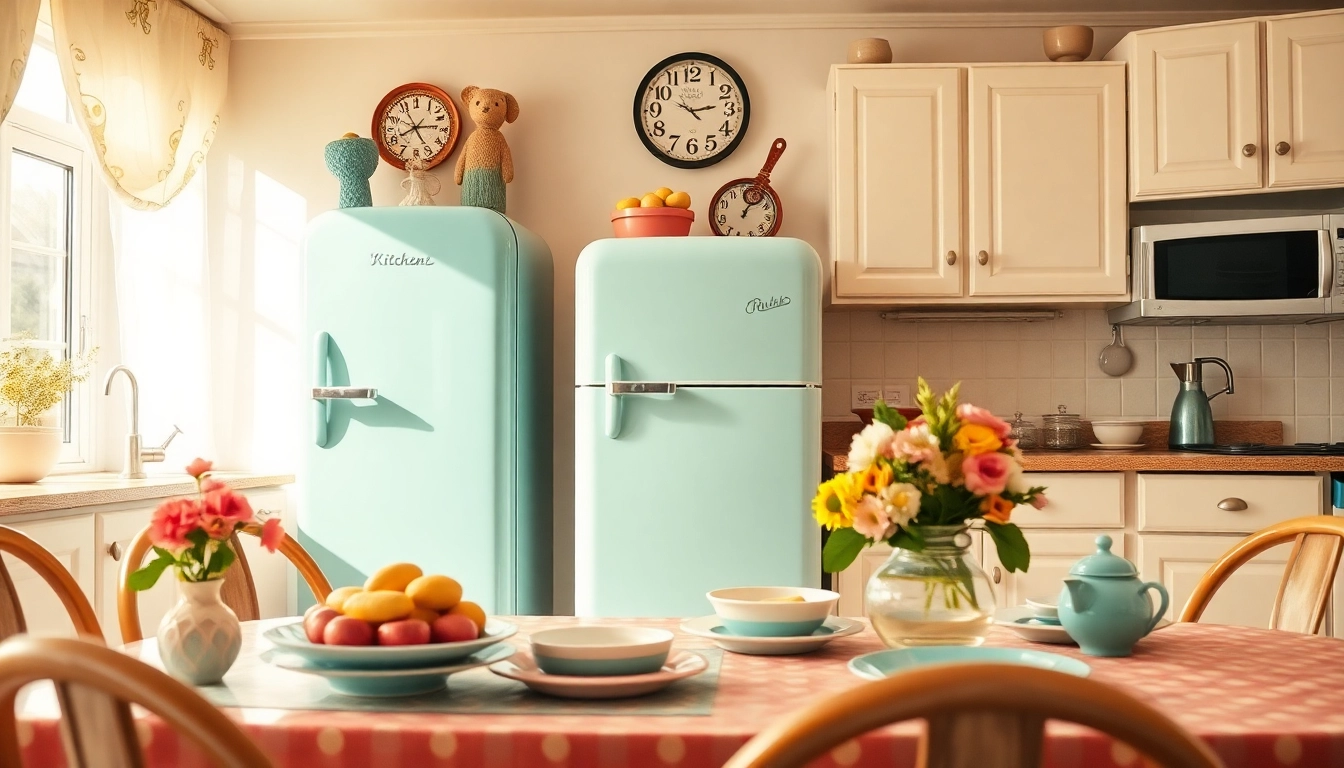
When it comes to retro appliances, the colors and patterns greatly influence their charm and character. Classic colors such as pastel pink, baby blue, and creamy white evoke a certain nostalgia, while vibrant shades like red and turquoise hold a more dynamic presence. The design often features rounded edges and curves, invoking a sense of playfulness rather than the sharper, utilitarian angles of modern designs.
Patterns also play a critical role. Many retro appliances incorporate artistic details or playful motifs that reminisce past eras, from checkered designs to floral patterns. These elements not only enhance the aesthetic appeal but also serve as a conversation starter, inviting guests to engage with the nostalgic theme.
The Cultural Significance of Retro Appliances
Retro appliances are not merely kitchen tools; they represent a cultural phenomenon that links generations through shared memories and experiences. They remind many of their childhoods, where the family kitchen served as a central gathering place. The rise of mid-century modern design also parallels shifts in social norms, reflecting changing attitudes towards family and domestic life.
The revival of retro appliances today can also be seen as a reaction to the fast-paced, technology-driven lifestyle of the modern world. Individuals are increasingly seeking items that embody authenticity, craftsmanship, and timeless appeal. Retro appliances capture this longing for connection to simpler times while providing all the conveniences of contemporary technology.
Benefits of Incorporating Retro Appliances
Aesthetic Appeal and Home Decor Synergy
The aesthetic allure of retro appliances can serve as a focal point in home décor, enhancing overall style and ambiance. These vibrant pieces can evoke feelings of warmth and nostalgia, making kitchens feel more inviting and personal. They pair wonderfully with various decor styles, including vintage, modern, or eclectic settings.
In an open-concept living space, a retro refrigerator or oven can harmonize with rustic dining tables or sleek countertops, creating a balanced interplay of old and new. By strategically placing retro appliances, homeowners can create a narrative within their homes that expresses individual style and taste.
Durability and Longevity of Retro Appliances
Many retro appliances are known for their robust construction and quality materials, making them a wise investment for long-term use. Unlike their modern counterparts, which often prioritize cost-effective manufacturing techniques, many retro styles boast sturdy builds that can withstand daily wear and tear.
This durability translates to longevity, with retro appliances often functioning well for decades if properly maintained. For those passionate about sustainability, investing in a quality retro appliance can reduce waste and promote a more eco-friendly approach to home management.
Energy Efficiency in Vintage-Inspired Designs
While older appliances are often associated with high energy consumption, modern retro appliances have evolved to incorporate energy-efficient technologies. Many manufacturers now produce retro-styled units that meet or exceed current energy efficiency standards, allowing homeowners to enjoy the vintage aesthetic without compromising on sustainability.
This balancing act enables consumers to embrace nostalgia while also committing to reducing their carbon footprint. With Energy Star ratings and advanced features, today’s retro appliances prove that charm and efficiency can coexist.
Choosing the Right Retro Appliance for Your Space
Assessing Your Kitchen's Layout and Size
Selecting the perfect retro appliance begins with a clear understanding of your kitchen's layout and dimensions. Your space dictates what size and style of appliance will fit comfortably without dominating the area or leaving it feeling disjointed.
Consider the flow of movement within the kitchen. For instance, a large retro fridge may look stunning but could impede foot traffic if not placed wisely. Taking accurate measurements and considering the placement of other furniture and fixtures will help you choose an appliance that enhances both function and form.
Balancing Style with Functionality
While the visual appeal of retro appliances is powerful, ensuring that they also perform effectively is paramount. It’s essential to balance style with functionality when making your selection. Choose appliances that not only look great but are also equipped to handle your cooking and storage needs.
For instance, if you frequently entertain guests or have a large family, opting for a retro-style oven with ample capacity and multiple cooking functions may be ideal. Investing time in research and exploring various models will lead to a well-rounded decision that meets both aesthetic desires and practical requirements.
Budget Considerations for Retro Appliance Purchases
Budgeting for retro appliances requires careful planning and consideration of both the initial investment and potential long-term costs associated with maintenance and energy consumption. The price range can vary significantly based on the brand, features, and style.
It’s essential to assess what you can afford while also considering the durability and energy efficiency of the appliance. Established brands may carry a premium but deliver higher quality and longevity, often making them a worthwhile investment. Moreover, keep an eye out for seasonal sales and discounts to make your dream of owning a retro appliance more achievable.
Maintenance Tips for Retro Appliances
Basic Care for Long-lasting Performance
While retro appliances are known for their durability, maintaining them requires some attention to detail. Regular cleaning is essential, as dirt and grime can accumulate and affect performance. For instance, wiping down surfaces with a gentle cleanser can keep stainless steel finishes looking pristine.
It’s also important to inspect seals, hinges, and gaskets regularly to ensure that they function correctly, helping to maintain efficiency and prolong the lifespan of the appliance. Developing a simple cleaning schedule can go a long way in preserving both beauty and functionality.
Finding Replacement Parts for Retro Models
Over time, finding replacement parts for retro appliances can become a challenge. However, many specialized online retailers and antique stores maintain stocks of components suitable for classic designs. Forums and community groups focused on restoration can also provide valuable advice and resources for sourcing hard-to-find parts.
If you're considering a retro appliance investment, researching suppliers beforehand helps ensure that you’ll have support if repairs or replacements are needed down the line.
Cleaning Tips to Preserve Vintage Aesthetics
Keeping a retro appliance looking its best requires specific care routines tailored to their finishes. For example, avoid abrasive cleaners that may scratch surfaces and instead utilize soft cloths and mild detergents to preserve the original aesthetic.
Additionally, polishing chrome and stainless steel finishes can restore their shine and enhance retro beauty. Regular attention to these surfaces will help maintain the nostalgic look while ensuring that the appliances continue to function optimally.
Frequently Asked Questions About Retro Appliances
What defines a retro appliance?
Retro appliances typically feature vintage designs from the mid-20th century, often with bright colors and chrome accents, blending nostalgic aesthetics with modern functionality.
Are retro appliances energy-efficient?
Many retro appliances now incorporate energy-efficient technology, allowing them to reduce energy consumption while maintaining their vintage charm.
How do I choose the best retro appliance for my kitchen?
Consider your kitchen's size, style, and color palette, ensuring the retro appliance complements your existing decor while meeting your functional needs.
Where can I find parts for retro appliances?
Replacement parts can often be found through specialty stores, online retailers, or forums dedicated to restoring vintage appliances.
What maintenance do retro appliances require?
Regular cleaning, inspection of seals, and occasional professional servicing will help ensure that your retro appliance continues to function well and look great.