
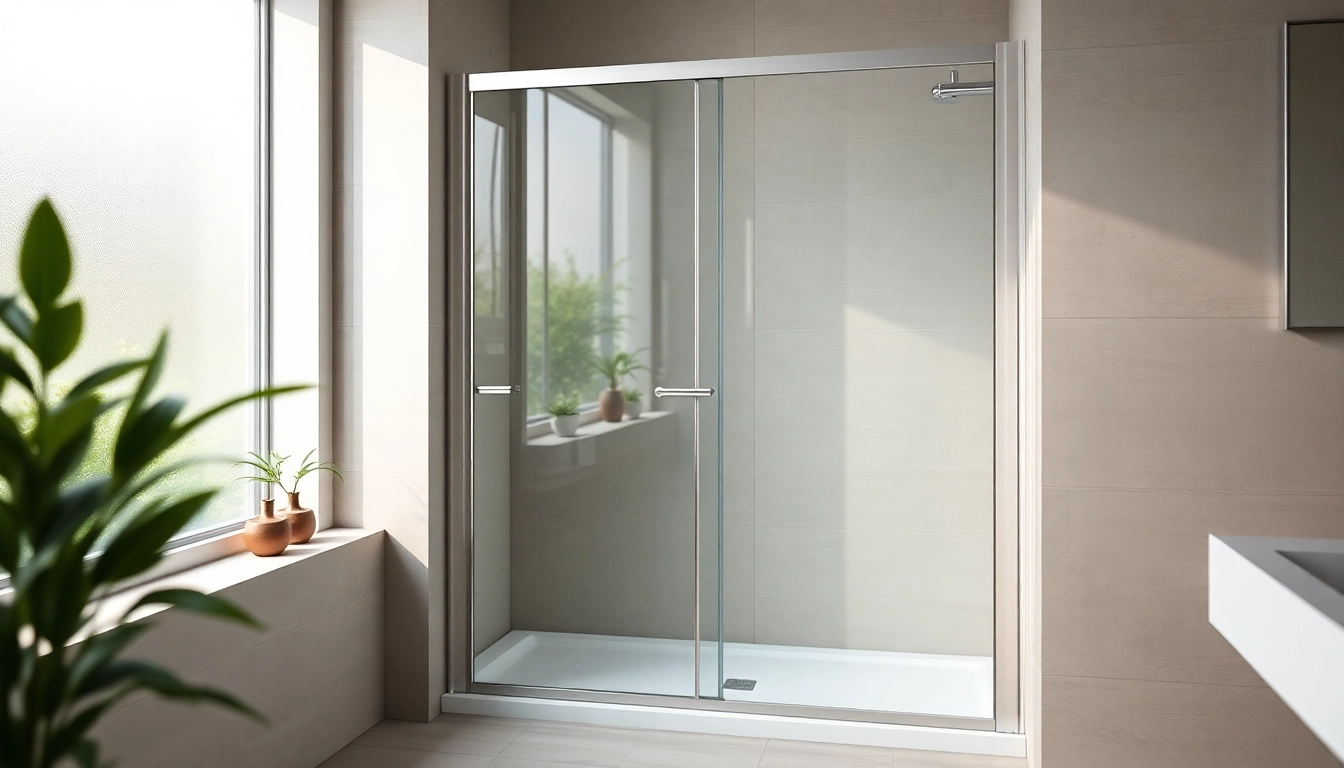
Understanding Shower Screen Door Types
Choosing the right shower screen door for your bathroom can feel overwhelming due to the variety of options available. However, understanding the different types of shower screen doors and their unique features makes the decision-making process much easier. In this section, we will delve into the two primary categories of shower screen doors, including framed and frameless options, as well as the differences between sliding and hinged designs.
Framed vs. Frameless Shower Screen Door
Framed shower screen doors are encased in a durable frame made of various materials like aluminum or stainless steel. These frames provide added stability, particularly when using thinner glass panels. The framed design can be more accommodating to a wider range of installation environments, including older bathrooms where wall straightness may be an issue.
Frameless shower screen doors lack this surrounding structure, opting instead for thick glass panels that are adorned with minimal hardware. Their sleek and modern appearance appeals to contemporary design sensibilities, giving bathrooms an open and airy feel. A frameless option often requires more precise installation but delivers a polished look without compromising on functionality.
Sliding vs. Hinged Options
Shower screen doors come in either sliding or hinged designs, each presenting its set of advantages. Sliding doors, as the name suggests, glide along a track, offering a space-saving solution ideal for small bathrooms. They provide easy access and are generally easy to operate, making them a popular choice for family homes.
On the other hand, hinged shower screen doors swing open much like a traditional door. This option often provides a more luxurious entrance to your shower space. Hinged doors require a bit more space in front of the shower for clearance but can create a larger opening, making it easier to enter and exit, particularly for those with mobility challenges.
Choosing the Right Glass Thickness
The thickness of the glass used in your shower screen door is a crucial factor to consider. Standard options range from 4mm to 10mm thick. Thicker glass, while often more expensive, is generally more durable and less prone to breakage. Additionally, thicker glass tends to provide improved acoustic insulation and better water containment, contributing to a more pleasant shower experience.
When selecting your glass thickness, consider the structural support of your bathroom walls and the overall style you wish to achieve. A good rule of thumb is to choose at least 6mm thick glass if you are opting for a frameless design to ensure adequate strength and safety.
Key Benefits of Installing a Shower Screen Door
Installing a well-chosen shower screen door can transform your bathroom in several key ways, optimizing the use of space while enhancing the aesthetic appeal and functionality of the area.
Space Efficiency in Small Bathrooms
One of the primary advantages of installing a shower screen door is the effective use of limited space in smaller bathrooms. Unlike bulky shower curtains, which can obstruct access and create a cluttered appearance, a shower screen door minimizes visual barriers, making the area look more open. Sliding doors, in particular, are excellent for compact environments as they don't require extra floor space to swing open.
Enhanced Aesthetic Appeal
Modern shower screen doors significantly elevate the overall look of your bathroom. The clean lines of a frameless design, or the polished look of framed options, can enhance any decor style, from contemporary minimalist to classic elegance. Utilizing glass allows natural light to flow throughout the bathroom, further improving the ambiance and creating a spa-like atmosphere.
Improved Water Containment
Another important benefit of shower screen doors is their superior ability to contain water. Specifically designed to reduce splashing, well-installed shower screen doors provide an effective barrier that keeps your bathroom floor dry. This functionality not only enhances safety by minimizing slip hazards but also aids in reducing cleaning time, as water stays directed within the shower area.
How to Measure for Your Shower Screen Door
Accurate measurements are key to ensuring your new shower screen door fits properly and functions as intended. An incorrectly sized shower screen door can lead to unsightly gaps, water leakage, and ultimately, can undermine the aesthetic appeal of your installation.
Essential Tools for Accurate Measurements
Before you begin measuring, gather the necessary tools. You will need:
- Measuring tape
- Level
- Pencil and notepad for recording measurements
Step-by-Step Measuring Guide
Follow these steps to ensure accurate measurements for your shower screen door:
- Height: Measure from the top of the shower tray or floor to the ceiling, noting any fixtures that may obstruct the installation.
- Width: Measure the width of the opening where the door will be installed, accounting for any tiles or walls.
- Depth: If installing a sliding door, measure the area for the track to ensure there’s adequate space for operation.
- Check for Level: Use a level to ensure that both walls are straight and even; adjustments may be needed if they are not.
Common Measurement Mistakes to Avoid
To get the best fit, be aware of these common pitfalls:
- Failing to measure multiple points; sometimes, floors and walls are not perfectly straight.
- Not accounting for obstructions like faucets or shelving that affect the opening size.
- Rounding measurements—which can lead to ill-fitting doors.
Installation Best Practices for Your Shower Screen Door
Once you have your measurements finalized, it’s essential to consider how you will install your shower screen door. Understanding whether to tackle the project as a DIY venture or hire professionals is crucial for success.
DIY vs. Professional Installation
Installing a shower screen door is within the skill set of many DIY enthusiasts, especially if you have prior experience with home improvement tasks. However, be realistic about your capabilities. If you feel unsure at any stage, hiring a professional can save you time and ensure proper installation, reducing the risk of leaks or damage.
Materials Needed for Installation
Whether you’re going the DIY route or working with professionals, a list of materials is essential. You’ll typically need:
- Shower screen door
- Glass adhesive or silicone sealant
- Wall anchors and screws
- Hinges or tracks (depending on your chosen door type)
- Level and measuring tools
Maintenance Tips for Longevity
To keep your shower screen door looking great and functioning properly, regular maintenance is key. Here are some best practices:
- Wipe down the glass after each use to prevent soap scum build-up and water stains.
- Use a squeegee to remove water spots and reduce cleaning time.
- Check seals and fittings for wear and waterproof integrity bi-annually to catch potential problems early.
- Clean with mild, non-abrasive cleaners to avoid scratching the glass surface.
Frequently Asked Questions about Shower Screen Doors
What are the main types of shower screen doors available?
Shower screen doors primarily come in framed and frameless varieties, as well as sliding and hinged options, each with distinct benefits.
Do shower screen doors improve bathroom appearance?
Yes, shower screen doors enhance a bathroom’s aesthetic by adding a modern, sleek look that elevates overall design.
How do I ensure proper measurements for my shower screen door?
Use a tape measure to note both height and width, considering any fixtures or unique structures around your shower area.
Can I install a shower screen door myself?
While DIY installation is possible, hiring professionals ensures correct fitting and minimizes the risk of damage during installation.
How should I maintain my shower screen door?
Regularly clean the glass with suitable solutions and check the seals' integrity to extend the lifespan of your shower screen door.