
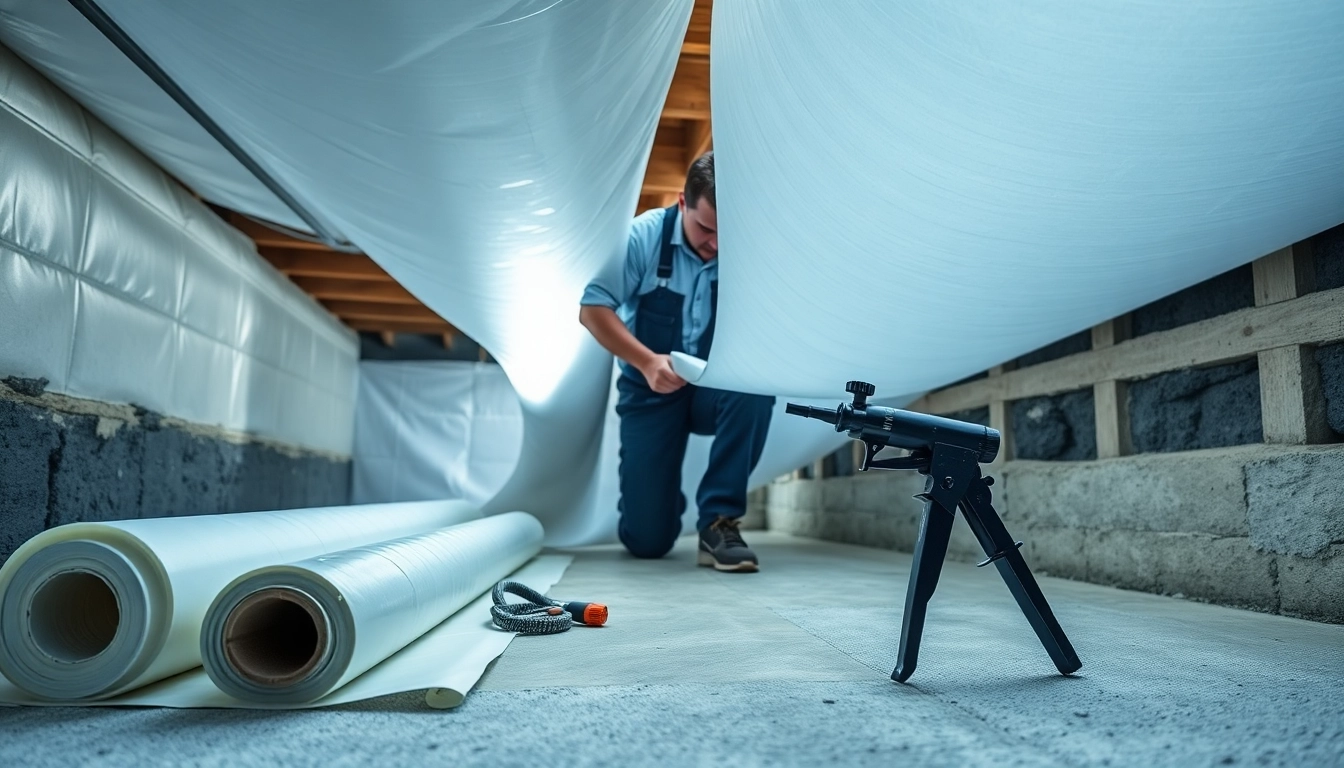
Understanding Vapor Barrier Installation
What is a Vapor Barrier?
A vapor barrier is a material designed to prevent moisture from moving from one space to another, particularly from the ground up into a building. Typically made from polyethylene plastic or foil, vapor barriers are used in crawl spaces, basements, and on walls to protect against mold, rot, and structural damage. The primary function of a vapor barrier is to mitigate the effects of humidity, ensuring a dry and safer living environment.
Benefits of Vapor Barrier Installation
Installing a vapor barrier comes with multiple advantages. Firstly, it helps to maintain indoor air quality by reducing humidity levels, which can prevent mold growth. This is particularly vital for homes in humid climates. Secondly, a vapor barrier helps protect wooden structures from rot and mildew, extending the lifespan of your foundation and flooring. Furthermore, a well-installed vapor barrier can also improve energy efficiency by reducing the amount of energy needed to heat or cool a home. For those looking into Vapor Barrier Installation, understanding these benefits is essential.
Key Materials Used
The materials commonly used for vapor barriers vary but generally include:
- Polyethylene Sheets: The most common material, typically available in varying thicknesses.
- Foil Barriers: Excellent for reflecting heat, particularly in colder climates.
- Spray Foams: Used for critical areas needing additional insulation.
- Sealants and Adhesives: To ensure seams and edges are effectively sealed.
Preparing for Vapor Barrier Installation
Assessing Your Crawl Space
Before installation, it’s crucial to assess your crawl space. Check for existing moisture issues, structural integrity, and the need for insulation. Look for signs of mold, musty odors, or visible water damage. Understanding these conditions can inform the installation process and guide any necessary remediation steps.
Necessary Tools and Equipment
For a successful vapor barrier installation, you’ll need the following tools:
- Utility knife for cutting vinyl sheets
- Measuring tape for precise measurements
- Stapler or nails for securing the vapor barrier
- Sealant or adhesive for seams
- Safety gear including gloves and a dust mask
Safety Considerations
Ensuring safety during installation is paramount. Wear appropriate clothing and use a dust mask to protect against inhaling dust or mold spores present in older spaces. It’s also wise to ensure good ventilation in the crawl space while working to avoid inhaling harmful substances.
Step-by-Step Guide to Vapor Barrier Installation
Preparing the Area
Start by cleaning the crawl space thoroughly. Remove any debris, sharp objects, or standing water. If moisture is prevalent, address these issues before laying down the barrier. Consider installing a sump pump if water accumulation is a recurring problem.
Installing the Barrier
Once the area is prepared, roll out the polyethylene sheets across the ground, ensuring the seams of the sheets overlap by at least 12 inches. Use the utility knife to cut the sheets for a proper fit. Secure the sheets in place using staples or nails and ensure any openings, like vents or pipes, are accounted for by cutting around them carefully.
Sealing and Finishing Touches
After laying down the vapor barrier, seal all seams with a waterproof tape or sealant. Pay special attention to the edges and any overlaps. Inspection should occur to confirm that everything is snugly in place and that there are no gaps where moisture could enter.
Common Challenges in Vapor Barrier Installation
Dealing with Moisture Issues
Moisture management is one of the primary challenges. Identifying the source is vital—whether it's groundwater intrusion, condensation, or both. Utilize dehumidifiers or drain systems as necessary to divert moisture before installation.
Addressing Ventilation Problems
Proper ventilation ensures airflow within the crawl space, which is crucial to prevent moisture buildup. If your space is poorly ventilated, consider installing vents or using ventilation fans to enhance air circulation.
Troubleshooting Installation Mistakes
Common mistakes like improper sealing, insufficient overlaps, or not accounting for drainage can lead to issues. Regularly inspect the installation and be prepared to make adjustments or reseal areas as needed.
Maintaining Your Vapor Barrier
Regular Inspection Tips
After installation, it’s crucial to check the vapor barrier periodically. Look for any signs of wear, damage, or moisture intrusion. A general recommendation is to perform these checks bi-annually to ensure optimal performance.
Signs Your Barrier Needs Replacement
Signs that your barrier may need replacement include visible tears, mold formation on the surface, or excessive moisture in the air. Addressing these concerns promptly will maintain the integrity of your home.
Best Practices for Longevity
To extend the lifespan of your vapor barrier, maintain regular insulation checks, ensure proper drainage around your home, and address any exterior moisture sources immediately. Keeping the crawl space clean and clear will also enhance the longevity of your vapor barrier.
Frequently Asked Questions About Vapor Barriers
What is a vapor barrier and why is it important?
A vapor barrier is a protective layer that prevents moisture from penetrating structures, which is crucial for maintaining indoor air quality and preventing mold and decay.
How do I know if I need a vapor barrier in my home?
If your home has a crawl space or basement and experiences humidity, dampness, or mold growth, you may benefit from installing a vapor barrier.
Can I install a vapor barrier myself?
Yes, vapor barrier installation can be a DIY project if you have the right tools and knowledge, but ensure to follow each step carefully for effective results.
What are the common mistakes in vapor barrier installation?
Common mistakes include inadequate sealing, improper overlaps of seams, and not accounting for moisture sources, which can lead to ineffective barriers.
How do I maintain my vapor barrier after installation?
Ensure regular inspections for damage or moisture, take corrective actions when needed, and keep the crawl space clean to help extend its lifespan.