
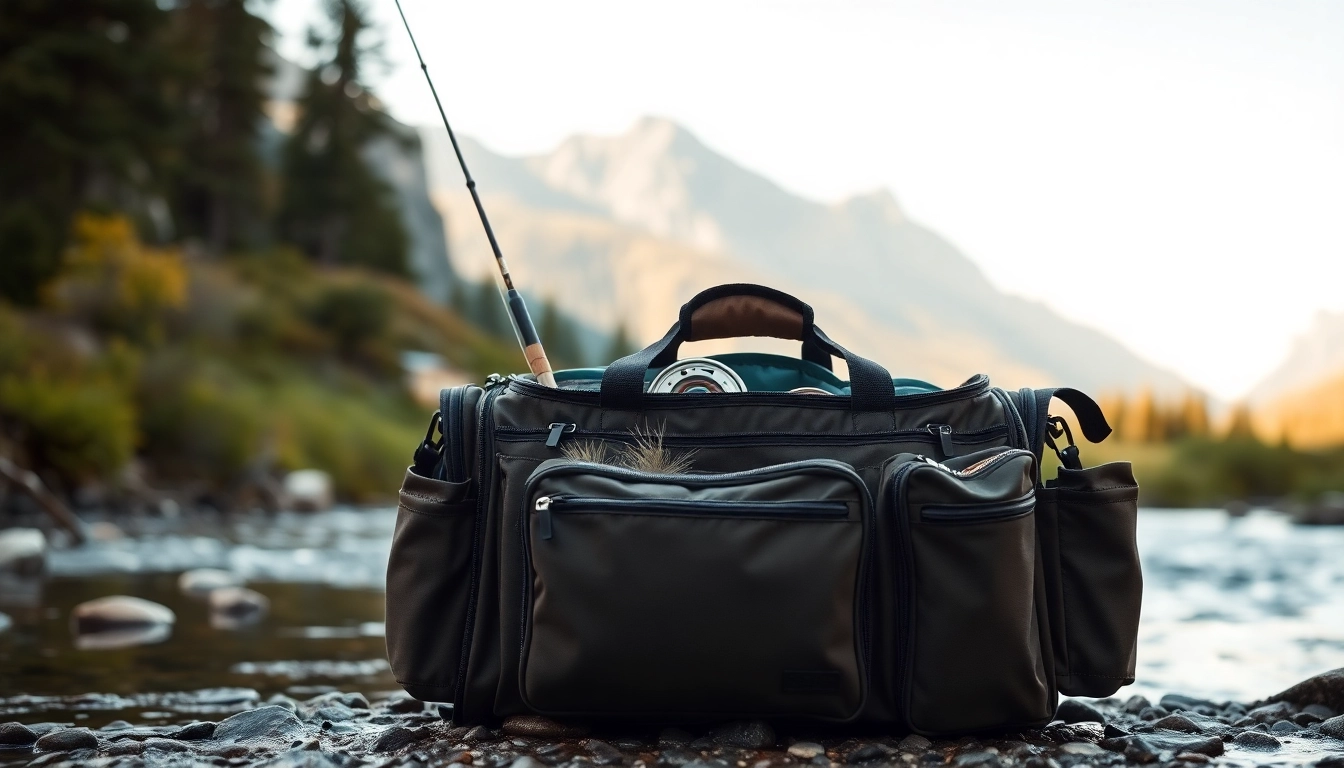
Understanding Fly Fishing Bags
What is a Fly Fishing Bag?
A fly fishing bag is an essential piece of gear for any dedicated angler. Unlike ordinary fishing tackle boxes, fly fishing bags are designed specifically for the unique needs of fly fishers. They provide convenient storage for a variety of items such as flies, leaders, tippets, and tools, all of which are necessary for a successful day on the water. Fly fishing bags come in various shapes, sizes, and materials, catering to different fishing styles and environmental conditions.
Key Features of Quality Fly Fishing Bags
When investing in a fly fishing bag, several key features should be considered to ensure you choose the best option for your needs:
- Material Quality: The most common materials are nylon, polyester, and sometimes leather. Look for water-resistant or waterproof fabrics, as they can protect your gear from moisture.
- Storage Capacity: Bags vary in size, so choose a bag that can accommodate all your fly fishing essentials without being too cumbersome.
- Organizational Compartments: Quality fishing bags include multiple compartments and pockets, which help keep your flies, tools, and accessories organized and easily accessible.
- Comfortable Straps: Padded shoulder straps and back support can make a significant difference, especially during long days on the water.
- Durability: A well-constructed bag should withstand the wear and tear of outdoor use and resist abrasions and punctures.
Different Types of Fly Fishing Bags
Understanding the variations in fly fishing bags can help you select one that best fits your fishing style:
- Backpacks: Versatile and spacious, backpacks are ideal for long hikes to remote fishing spots.
- Sling Bags: These allow for quick access to your gear while on the move, making them great for stream fishing.
- Hip Packs: Worn around the waist, hip packs are best for those who prefer to keep their gear light and accessible on short trips.
- Tackle Boxes: While not as common, specially designed tackle boxes can include compartments for flies and tools, suited for shore fishing.
How to Choose Your Fly Fishing Bag
Assessing Your Fishing Style and Needs
Choosing the right fly fishing bag starts with understanding your fishing habits. Are you a weekend warrior who drives to a local pond, or a dedicated angler who ventures into remote streams and rivers?
Your fishing style will greatly influence the type of bag that suits you. If you often hike to access fishing spots, a backpack with ample storage and durable construction will be beneficial. Conversely, if you tend to fish in easy-to-access areas, a compact sling or hip pack may suffice.
Material and Durability Considerations
The material of your fly fishing bag is crucial for its longevity and performance. Nylon and polyester are popular choices due to their lightweight yet durable properties. Look for bags reinforced with waterproof coatings or made from TPU-lined fabrics, ensuring that your gear stays dry even in unexpected weather conditions.
Size and Storage Capacity
Your selection should also depend on how much gear you typically carry. Larger bags with multiple compartments may be necessary for those who carry extra equipment like cameras, lunch, and extra layers of clothing. Be mindful of the bag's weight, as a fully loaded large bag can become cumbersome on long hikes.
Adding Functionality to Your Fly Fishing Bag
Organizers and Compartmentalization
Functionality is essential in a fly fishing bag. Organizers and compartmentalization ensure your gear remains sorted and accessible. Look for bags with designated spots for flies, tools, and accessories—this will save time and minimize frustration when you're ready to cast. Many bags come with removable dividers that allow customization based on your unique gear configuration.
Water and Weather Resistance Features
When fishing, exposure to water is inevitable. A bag equipped with water-resistant zippers, seams, and materials can safeguard your gear against splashes and rain. Investing in a fully waterproof bag is ideal for those who fish in variable conditions, providing peace of mind that your belongings are protected.
Design and Ergonomics for Comfort
A well-designed fly fishing bag should complement your movements while allowing quick access to essential gear. Ergonomic designs featuring breathable materials and padded straps reduce fatigue during long outings. Adjustable belts and waist straps enhance comfort, promoting better weight distribution as you walk or wade through water.
Top Fly Fishing Bag Brands in the Market
Comparative Review of Leading Brands
The fly fishing gear market is filled with reputable brands, each offering unique bags designed to meet various needs:
- Orvis: Known for their high-quality, durable bags, Orvis offers a range that includes backpacks and sling bags.
- Simms: A brand synonymous with superior craftsmanship, Simms bags focus on functionality and weather resistance.
- Fishpond: Their bags are often made from recycled materials, combining eco-friendliness with innovative designs.
- Wley: Offers budget-friendly options that do not compromise on quality, perfect for beginners.
Price Range and Budget Considerations
When it comes to pricing, fly fishing bags can range from as low as $30 for basic models to over $300 for high-end options with advanced features. It’s essential to establish a budget based on how often you plan to fish and the level of durability you require. Higher-priced bags usually offer better materials, more pockets, and superior comfort, which can enhance your overall experience on the water.
Customer Reviews and Recommendations
Before finalizing your choice, consider reviewing customer feedback online. Websites, outdoor forums, and social media platforms often host user reviews that provide insights into the performance and reliability of different bags. Look for comments regarding durability, ease of use, and comfort—these aspects are paramount when selecting a fly fishing bag that meets your needs.
Storing and Maintaining Your Fly Fishing Bag
Cleaning and Care Tips
Maintaining your fly fishing bag will extend its lifespan and performance. Periodically check for dirt or debris, especially in creases or pockets. A simple mixture of mild soap and water can be used to wipe down the exterior, while a soft brush can help you get into tight spots. Avoid harsh chemicals, as they can degrade the materials over time.
Storing Your Bag When Not in Use
When your bag is not in use, store it in a cool, dry place away from direct sunlight. Avoid squeezing it into tight spaces, which can warp its shape and strain zippers. If possible, hang it or lay it flat to maintain its integrity.
Extending the Life of Your Fly Fishing Bag
To ensure longevity, regularly inspect your bag for signs of wear and tear, particularly around stress points like straps and zippers. Apply waterproofing sprays as needed to keep it resilient against moisture. Investing in proper storage and care can lead to years of use from your fly fishing bag, making it a worthwhile gear investment.