
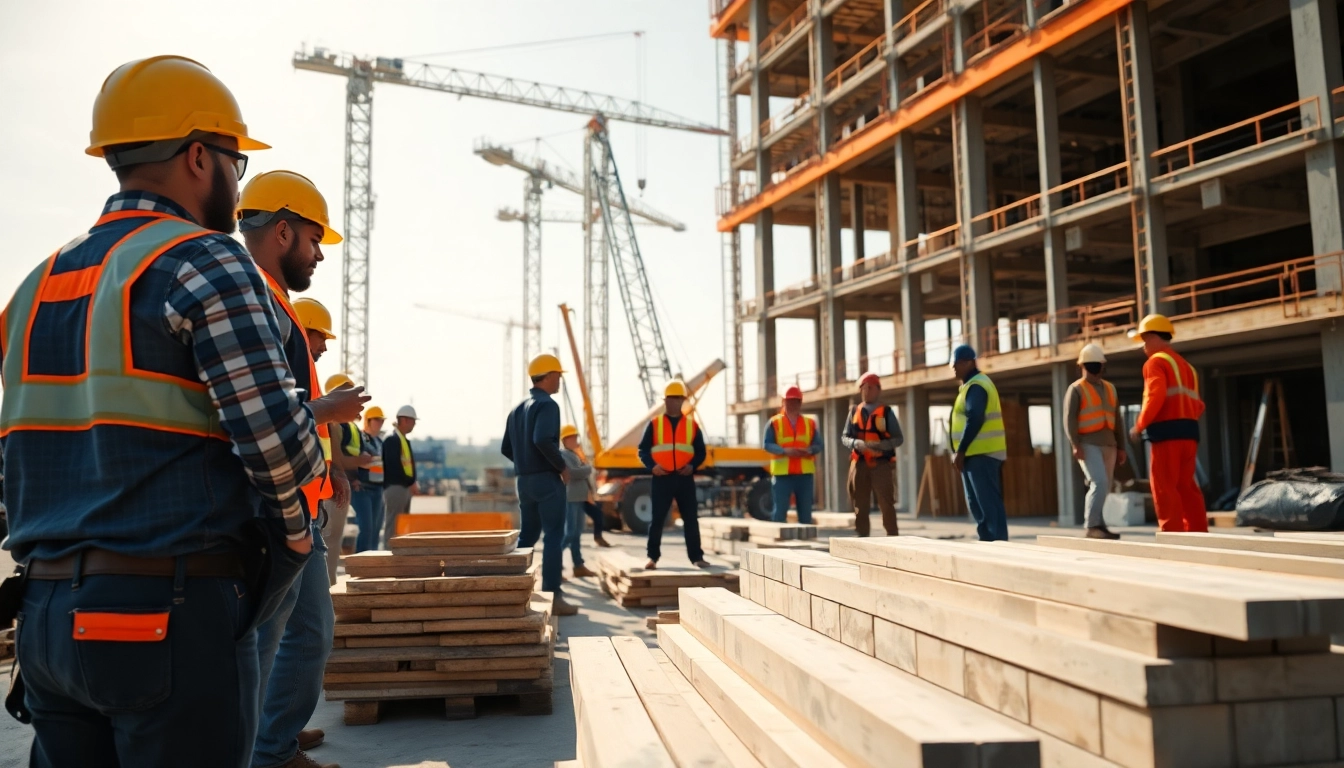
The Current Landscape of Austin Construction
The construction industry in Austin, Texas, is experiencing a robust transformation driven by an expanding population, a thriving economy, and a dynamic real estate market. With these changes come opportunities and challenges that shape the region's infrastructure and architectural aesthetics. The demand for Austin construction is influenced by several factors, ranging from local housing needs to commercial developments. As we delve deeper into this ever-evolving landscape, it is crucial to understand the intricate web of market demands, key players, and regulatory frameworks that impact construction practices in the area.
Understanding Market Demands for Austin Construction
The market for Austin construction is largely dictated by population growth and urbanization. According to data from the U.S. Census Bureau, Austin is one of the fastest-growing cities in the country, adding thousands of residents each year. This influx of people has intensified the demand for housing, leading to a surge in residential construction projects, including single-family homes, multifamily units, and affordable housing developments.
Alongside residential needs, there is a compelling demand for commercial and industrial spaces. Tech companies, startups, and other businesses flocking to Austin have necessitated additional office space and innovative work environments. The city government has recognized these demands and is promoting smart city initiatives, enhancing urban planning and zoning regulations to accommodate sustainable growth.
Key Players in the Austin Construction Industry
The Austin construction scene is marked by a multitude of players ranging from large construction firms to small, local contractors. Major construction companies like Austin Commercial, DPR Construction, and Manhattan Construction have established themselves as significant contributors to the market. However, smaller firms are crucial as well, offering specialized services and nurturing community connections.
In addition to construction companies, architects, urban planners, and engineers play a pivotal role in shaping the landscape. Collaborative efforts among these stakeholders ensure that projects are not only well-designed but also comprehensively address local needs and preferences. Moreover, industry associations like the Austin Contractors & Construction Association (ACCA) advocate for best practices and workforce development, ensuring that the local construction industry remains competitive and innovative.
Regulatory Environment Impacting Austin Construction
The regulatory framework governing construction in Austin has significant implications for project timelines, budgets, and overall feasibility. Zoning laws, building codes, and environmental regulations are constantly evolving to meet the demands of a growing city. For instance, city planners are focusing on maintaining Austin's unique character while balancing the need for increased density in residential and commercial areas.
One of the key regulatory changes has been the emphasis on sustainable building practices. The City of Austin has introduced measures to promote green building, including the Austin Energy Green Building Program, which encourages developers to adopt energy-efficient designs and sustainable resource use. Familiarity with these regulations is essential for construction firms to navigate approvals and avoid costly delays.
Innovative Practices Shaping Austin Construction
In response to evolving market demands and regulatory measures, the Austin construction industry is at the forefront of embracing innovative practices. Adaptation and creativity are paramount in implementing eco-friendly methods, time-saving technologies, and safety protocols aimed at enhancing project outcomes.
Sustainable Building Trends in Austin Construction
Sustainability has taken center stage in Austin's construction narrative. Builders are not only motivated by regulatory requirements but also by a culture of sustainability rooted in the community. The use of sustainable materials—such as reclaimed wood, recycled steel, and low-VOC paints—has become commonplace in new projects. Furthermore, many construction firms are integrating water-saving fixtures and energy-efficient systems to minimize long-term operational costs.
Innovations in sustainable construction are also reflected in the proliferation of green roofs and solar energy installations. These practices not only help in reducing the carbon footprint of new buildings but also enhance property values, making sustainable construction both an environmental and an economic investment.
Adoption of Technology in Austin Construction Projects
Technology is revolutionizing the construction landscape in Austin, offering tools that improve efficiency and precision. Building information modeling (BIM) has gained traction, enabling teams to collaborate on digital blueprints, reduce errors, and streamline project workflows.
Emerging technologies such as drones for site surveying, 3D printing for components, and the Internet of Things (IoT) for monitoring building performance are being adopted to optimize construction management. These technologies are helping project managers to improve scheduling and resource allocation, thus reducing costs and delivering projects on time.
Best Practices for Safety in Austin Construction
Safety in construction is paramount, and Austin is no exception. With the inherent risks associated with construction sites, implementing stringent safety protocols is crucial. Leading construction firms in Austin are prioritizing workforce safety by conducting regular training sessions and employing safety officers to oversee compliance with OSHA standards.
Furthermore, companies are leveraging technology, such as wearable safety devices that monitor workers' vital signs and environmental conditions. This proactive approach not only helps in mitigating workplace incidents but fosters a culture of safety that resonates throughout the industry.
Challenges Facing Austin Construction Firms
Despite the opportunities presented by a booming construction market, firms in Austin face a variety of challenges that require strategic thinking and adaptability. Understanding these hurdles is vital for stakeholders who wish to thrive in this increasingly competitive landscape.
Labor Shortages in the Austin Construction Market
One of the most pressing challenges is the labor shortage that has afflicted the construction industry nationwide, and Austin is no exception. As new projects surge, the demand for skilled labor continues to outpace supply. This gap not only threatens project timelines but can also inflate labor costs.
To address these shortages, construction firms are investing in training programs and partnerships with vocational schools and community colleges. By developing a skilled workforce tailored to the needs of the local market, firms aim to alleviate labor constraints and ensure project sustainability.
Managing Costs and Budgeting in Austin Construction
Rising material costs and fluctuating labor rates present additional challenges for construction firms operating in Austin. Budget overruns can lead to strained relationships between contractors, clients, and investors. To counteract these financial pressures, effective budgeting and financial planning practices must be employed.
Robust project management software can aid in keeping a close eye on expenditures, ensuring that projects remain within budget. Additionally, adopting strategies such as value engineering helps firms find cost-effective alternatives without compromising quality.
Navigating Supply Chain Disruptions in Austin Construction
The COVID-19 pandemic exposed vulnerabilities in global supply chains, affecting the availability of essential materials for construction projects. Austin construction firms grapple with delays and price hikes due to these disruptions. Strategic sourcing and building relationships with local suppliers can provide a buffer against future supply chain shocks, and implementing just-in-time inventory management will help reduce material waste and optimize resources.
Community Impact of Austin Construction
The impact of construction extends beyond mere physical structures; it profoundly influences community environments and local economies. Engaging with the community and prioritizing responsible development are essential for fostering enduring relationships and ensuring the well-being of local residents.
Enhancing Urban Development Through Austin Construction
Construction plays a crucial role in enhancing urban development. Well-planned projects can revitalize neighborhoods, stimulate local economies, and improve access to essential services. In Austin, public-private partnerships have emerged as a viable model for fostering development that benefits all stakeholders.
Recent projects, such as mixed-use developments that combine residential, commercial, and recreational spaces, highlight an urban planning strategy aimed at creating vibrant, walkable communities. These initiatives not only cater to the needs of the growing population but also promote sustainable living practices.
Community Engagement in Austin Construction Projects
Community engagement is increasingly being recognized as a vital component of successful construction projects. Developers are encouraged to actively involve local residents and stakeholders in the planning process, ensuring that projects align with community interests and aspirations.
Public meetings, surveys, and focus groups provide platforms for feedback, offering stakeholders a voice in how their neighborhoods evolve. Such inclusive approaches not only bolster community support but also enhance the project's relevance and utility.
Long-Term Benefits of Responsible Austin Construction
Responsible construction practices yield long-term benefits for both the community and the environment. Projects that prioritize sustainability, safety, and community needs foster trust and support among residents. These efforts contribute to improved quality of life and increase property values, creating a positive feedback loop that benefits developers and the wider community.
Moreover, investments in public infrastructure—such as parks, transit systems, and affordable housing—demonstrate a commitment to enhancing the social fabric of Austin. As these projects come to fruition, the community as a whole reaps the rewards of thoughtful and intentional development.
The Future of Austin Construction
Looking ahead, the future of Austin construction is poised to be influenced by several emerging trends and shifts that will reshape the industry landscape. Construction firms must remain agile and forward-thinking to adapt to these changes, ensuring they maintain competitiveness in this thriving market.
Trends to Watch in Austin Construction Over the Next Decade
As Austin continues to grow, several trends are expected to define the construction sector. The integration of smart city technologies into construction processes will likely gain traction, with an increasing emphasis on data-driven decision-making. For instance, the adoption of smart building technologies that enhance energy efficiency and user comfort will become prevalent.
Additionally, modular and prefabricated construction methods are expected to become more mainstream, enabling faster turnaround times and reducing waste. As materials technology advances, the use of innovative, lightweight materials will also enhance construction practices, driving efficiency and sustainability.
Investment Opportunities in Austin Construction
The Austin construction market represents a myriad of investment opportunities for stakeholders. With the ongoing population boom and economic growth, sectors such as residential, commercial, and mixed-use developments offer lucrative prospects. Investors can capitalize on emerging trends like affordable housing initiatives and sustainable building projects, which align with community needs and local government priorities.
Furthermore, the rise of co-living and coworking spaces reflects a shift in lifestyle preferences, particularly among younger generations. Investment in these sectors will provide significant returns given the ongoing demand for flexible living and working arrangements.
The Role of Education and Training in Austin Construction
As the construction industry evolves, the role of education and training will be critical in preparing a skilled workforce equipped to meet future challenges. Partnerships between construction firms and educational institutions will facilitate the development of specialized training programs, addressing skills gaps and supplying workers with industry-specific knowledge.
In addition to traditional training pathways, mentoring programs and apprenticeships will help guide the next generation of construction professionals. Emphasizing STEM education and promoting career opportunities in construction is vital for attracting talent and fostering innovation in the sector.