
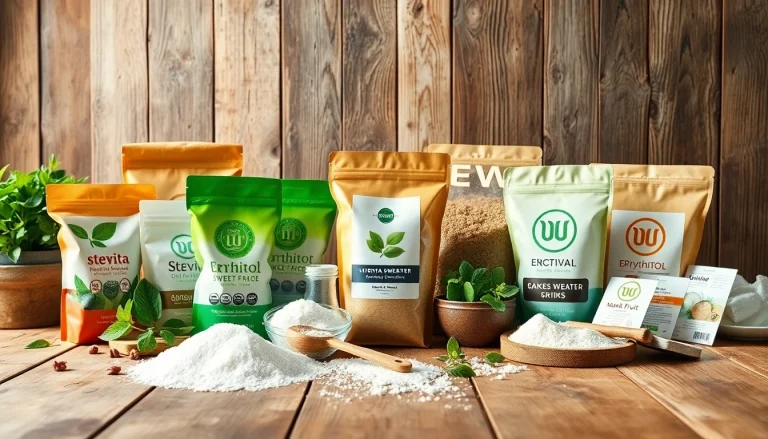
Understanding Bulk Sweetener: Basics and Variants
What is Bulk Sweetener?
Bulk sweeteners are sugar substitutes that provide sweetness along with bulk or “body” to food products. Unlike intense sweeteners, which are many times sweeter than sugar and used in smaller amounts, bulk sweeteners have a sweetness level similar to that of sugar but also offer functional properties such as texture, moisture retention, and browning during cooking and baking. These sweeteners can be derived from natural sources or produced synthetically, and they play a significant role in formulating low-calorie and sugar-free products. For more detailed information, you can explore bulk sweetener.
Common Types of Bulk Sweetener
Several types of bulk sweeteners are widely used in the food industry. Some of the most common include:
- Erythritol: A sugar alcohol that is found naturally in fruits. It has about 70% of the sweetness of sugar but with significantly fewer calories.
- Isomalt: Derived from beets, it is commonly used in sugar-free candies and has a very low glycemic index.
- Polyols: This category includes multiple sugar alcohols such as xylitol and maltitol, known for their lower calorie content and low impact on blood sugar levels.
- Stevia Blends: Often combined with other bulking agents, stevia offers a sweet taste without calories, making it popular in various formulations.
Health Benefits of Bulk Sweetener
Bulk sweeteners come with several health benefits, especially for individuals looking to reduce sugar intake:
- Weight Management: Many bulk sweeteners are low in calories, making them suitable for weight loss or management plans.
- Improved Dental Health: Unlike sugar, some sugar alcohols do not contribute to tooth decay.
- Diabetic-Friendly: Most bulk sweeteners have minimal effect on blood glucose levels, making them ideal for individuals with diabetes.
Popular Applications for Bulk Sweetener
Baking with Bulk Sweetener
When used in baking, bulk sweeteners can replicate the properties of sugar, contributing to texture and moisture. For example, erythritol can be used to sweeten cakes and cookies while retaining a similar crumb structure as sugar. However, adjustments in liquid ratios may be necessary when substituting bulk sweeteners for sugar to achieve the desired results.
Sweetening Beverages with Bulk Sweetener
Bulk sweeteners are also effective in sweetening beverages like teas, coffees, and smoothies. Due to their similar sweetness profile to sugar, they can achieve a balanced taste without the added calories, making them a favorite among those who enjoy flavorful drinks without the guilt. When used in liquid formulations, these may dissolve better when compared to intense sweeteners.
Using Bulk Sweetener in Cooking
When cooking, bulk sweeteners can enhance flavors and maintain moisture levels in various dishes. They can be used in sauces, marinades, and even savory dishes, providing a depth of flavor while keeping calorie counts low. It’s essential to understand the unique properties of each sweetener to predict their behavior under different cooking conditions.
Comparing Bulk Sweetener to Other Sweeteners
Bulk Sweetener vs Sugar
While sugar offers a familiar sweetness and functionality in cooking and baking, bulk sweeteners present an excellent alternative with fewer calories and a lower glycemic response. This makes them particularly appealing for those managing their sugar intake or looking to reduce overall caloric intake while still enjoying sweet flavors.
Bulk Sweetener vs Intense Sweeteners
Intense sweeteners are significantly sweeter than sugar, often requiring only a small amount to achieve the desired sweetness. While they are useful in products where calorie reduction is critical, bulk sweeteners provide mouthfeel and volume that intense sweeteners lack, making them ideal for recipes that need structure.
Choosing the Right Sweetener for Your Needs
The decision to use a bulk sweetener versus other sweeteners largely depends on the application. For baking or products needing a sugar-like consistency, bulk sweeteners are preferred, whereas for drinks or low-calorie products, intense sweeteners may serve as better alternatives. It’s crucial to evaluate specific dietary needs and the purpose of use when selecting the right kind of sweetener.
Best Practices for Using Bulk Sweetener
Substituting Sugar with Bulk Sweetener
When replacing sugar with bulk sweetener, a general guideline is to start with a 1:1 ratio for substitutes with similar sweetness levels and adjust according to taste. It’s essential to conduct small batches to test sweetness levels and flavors before finalizing any recipes. Additionally, consider taste-testing finished products to ensure satisfaction.
Storage Tips for Bulk Sweetener
To maintain freshness and usability, store bulk sweeteners in a cool, dry place, away from direct sunlight. Proper sealing in airtight containers helps in avoiding clumping or moisture absorption, ensuring that the sweetener remains free-flowing and effective for culinary usage.
How to Measure Bulk Sweetener Accurately
Accurate measurement is crucial for consistent results when cooking or baking. It is advisable to use weight measurements rather than volume, as the density of bulk sweeteners can differ from that of sugar. A kitchen scale can provide precision, especially in professional culinary applications.
Frequently Asked Questions about Bulk Sweetener
What are the side effects of bulk sweetener?
Some bulk sweeteners, particularly sugar alcohols like xylitol or sorbitol, can cause digestive discomfort or laxative effects in large amounts. Moderation is key to preventing these issues.
Can bulk sweetener be used in diets?
Yes, bulk sweeteners are widely used in various diets including keto and diabetic diets since they have fewer calories and minimal effects on blood sugar levels, making them a suitable alternative to sugar.
Is bulk sweetener safe for diabetics?
Bulk sweeteners are often considered safe for diabetics. They generally have a lower glycemic index than regular sugar, making them a better choice for managing blood glucose levels.
How does bulk sweetener affect baking?
Bulk sweeteners can replace sugar in recipes, but they may alter the texture and moisture content. Adjustments may be necessary for optimal results, including changes in liquids and baking times.
Where can I buy bulk sweetener?
Bulk sweeteners can be purchased online or at health food stores, supermarkets, or specialty baking supply shops. They are available in various forms such as granular, liquid, or powdered for convenience in cooking and baking.