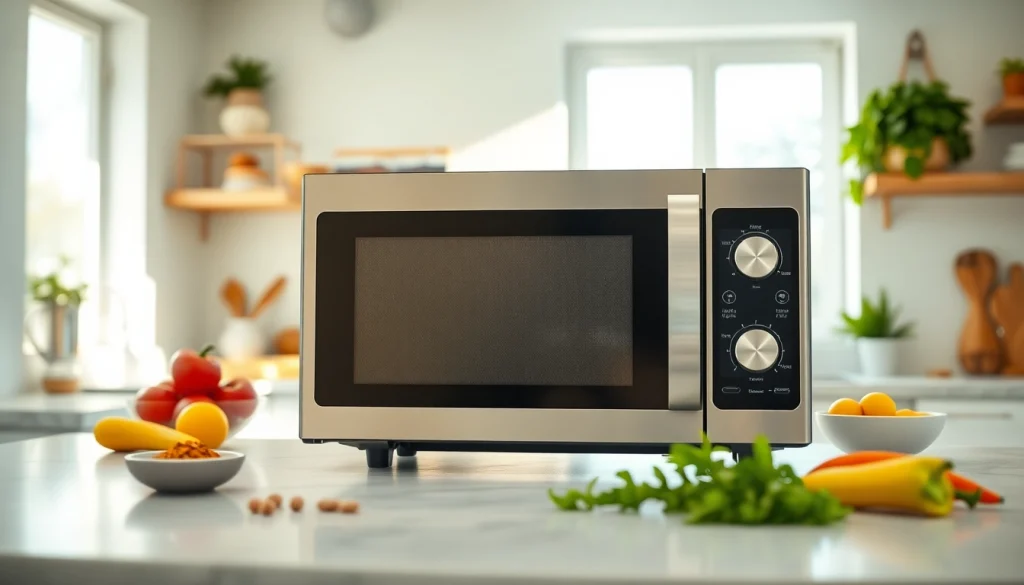
Understanding the Microwave Oven: Basics and Functionality
What is a Microwave Oven?
The microwave oven is an essential kitchen appliance that has revolutionized the way we heat and cook food. Unlike traditional ovens that rely on heat conduction or convection, microwave ovens use electromagnetic radiation to cook food quickly and efficiently. They work by emitting microwaves, which excite water molecules in the food, causing them to vibrate and produce heat. This process not only saves time but also retains more nutrients compared to conventional cooking methods.
How Does a Microwave Oven Work?
At the core of every microwave oven is a component called the magnetron, which generates microwaves when electricity passes through it. The microwaves are then channeled into the cooking chamber, where they bounce off the metal walls and penetrate the food from various angles. This penetrative heating ensures that food is cooked evenly from the inside out, making microwave ovens particularly effective for reheating leftovers, defrosting frozen items, and even cooking complex dishes quickly.
Microwave ovens operate at different power levels, typically measured in watts. The higher the wattage, the faster the cooking time. Standard microwave ovens range from about 600 to 1,200 watts, allowing users to select an appropriate setting for their cooking needs. The cooking time and power level can generally be adjusted to suit different culinary tasks, making microwave ovens both versatile and user-friendly.
Key Benefits of Using a Microwave Oven
Utilizing a microwave oven comes with several advantages:
- Speed: Cooking or reheating takes a fraction of the time compared to conventional ovens.
- Energy Efficiency: Microwaves use less energy as they direct heat specifically toward the food, reducing overall cooking time.
- Nutrient Preservation: Shorter cooking times help retain more vitamins and minerals.
- Multifunctionality: Many microwave ovens come equipped with features such as grilling, baking, and steaming, enhancing their utility.
- Convenience: They are lightweight, easy to operate, and don’t require preheating.
Types of Microwave Ovens Available
Countertop Microwave Oven
Countertop microwave ovens are perhaps the most common type found in homes. These appliances are designed to sit on a kitchen counter and are typically lightweight and portable. They offer a range of sizes and features, making them suitable for various cooking tasks from defrosting to cooking entire meals. Many also include presets for popular dishes, simplifying the cooking process further.
Over-the-Range Microwave Oven
Over-the-range microwave ovens combine functionality with space-saving design. These units are installed above the stove and often include a built-in fan for kitchen ventilation. This type of microwave frees up counter space while adding convenience by placing the appliance within easy reach of the cooking area. The dual purpose of cooking and venting makes it a popular choice for small kitchens.
Built-In Microwave Oven
Built-in microwave ovens are designed to integrate seamlessly into cabinetry, providing a sleek and modern look that complements contemporary kitchens. Unlike countertop models, these microwaves are generally more powerful and come with advanced features, such as convection cooking and sensor technology. They are a great choice for homeowners looking for a permanent installation that enhances both the aesthetics and functionality of their kitchen.
Choosing the Right Microwave Oven for Your Needs
Assessing Your Kitchen Space
Before purchasing a microwave oven, assessing your kitchen space is crucial. Consider the layout, existing appliances, and how the microwave will fit into your daily routine. Countertop models are ideal for those with limited space, while over-the-range or built-in options are well-suited for larger kitchens or those looking for an upgrade. Measure the available space, keeping in mind the necessary ventilation and accessibility.
Key Features to Look For
When selecting a microwave oven, certain features can greatly enhance your cooking experience. Look for models with:
- Pre-programmed settings: These can simplify cooking tasks for common foods.
- Turntables: Ensuring even cooking by rotating food while it cooks.
- Power levels: Multiple settings for various cooking requirements.
- Child safety locks: Essential for families with young children.
- Easy-to-clean interiors: Such as ceramic enamel surfaces that resist stains and buildup.
Budget Considerations for Microwave Ovens
Microwave ovens come in a wide range of prices, depending on their type, size, and features. Setting a budget beforehand can help narrow down options. While basic countertop models may start from a lower price point, built-in and high-end models can be significantly more expensive. Consider the long-term value, energy efficiency, and warranties when evaluating your budget, as these factors can influence your overall satisfaction and the longevity of the product.
Best Practices for Cooking with a Microwave Oven
Proper Use of Cookware
Using appropriate cookware is essential for effective microwave cooking. Opt for microwave-safe dishes made of glass, ceramic, or certain plastics. Avoid metal containers, as they can cause sparks and damage the oven. Additionally, ensure that any cookware you select does not have metallic decorations or components, which can hinder microwave performance.
Tips for Even Cooking
To achieve even cooking results in a microwave oven, follow these tips:
- Stirring food: Periodically stir or rotate food halfway through cooking for even heat distribution.
- Covering dishes: Using lids or microwave-safe covers can help steam circulate and cook food more evenly.
- Space and arrangement: Place food items in a circular pattern and avoid overcrowding the microwave.
Enhancing Flavor with Microwave Cooking
Microwave cooking does not mean sacrificing flavor. To enhance taste, consider adding marinades before cooking, using herbs and spices, or pairing with fresh ingredients. Experimenting with steaming vegetables in the microwave can also preserve their natural flavor and crunch while ensuring quick preparation.
Maintenance and Troubleshooting of Microwave Oven
Cleaning Your Microwave Oven
Regular cleaning of your microwave oven is vital for hygiene and performance. Wipe down the interior after each use to remove any food splatters. For deeper cleaning, mix a solution of water and vinegar and heat it in the microwave until it steams. This will help loosen any tough stains and odors. Remember also to clean the exterior and door seals to prevent grease buildup.
Common Issues and Fixes
Microwave ovens, like all appliances, can encounter issues over time. Common problems include:
- Uneven heating: Ensure proper cookware use and try rearranging food for better heat distribution.
- Strange noises: This may signal a faulty turntable or motor; inspect components for wear.
- Failure to start: Check the power supply and door latch; a malfunctioning door switch can prevent operation.
When to Seek Professional Help
If your microwave oven shows persistent issues such as sparking, bad smells, or failure to start after troubleshooting, it may be time to contact a professional technician. Attempting risky repairs could lead to further damage or safety hazards, so relying on expert help ensures proper handling and maintenance.
FAQs about Microwave Ovens
1. Can I use metal containers in my microwave oven?
No, metal containers can cause sparks and potentially damage the microwave. Always use microwave-safe dishes.
2. How can I prevent uneven cooking in my microwave oven?
Stirring food halfway through cooking and arranging items in a circular pattern helps prevent uneven cooking.
3. Is it safe to microwave plastic?
Only use microwave-safe plastics that are specifically labeled. Avoid plastic containers not designed for heating.
4. How should I clean my microwave oven?
Wipe the interior with a vinegar and water solution, and ensure you clean the exterior and door seals regularly.
5. How do I know the wattage of my microwave oven?
The wattage can be found on the appliance’s label, usually located inside the door or on the bottom of the oven.